Without a polished booth, a marketing team, or a big-name brand, Johnnie Stewart IV took his startup, StewTech, to the SHOT Show to demo a product that had been built in his living room and kitchen. By the end of the show, it ranked among the top four most-viewed new products. At an event with around 2,700-plus vendors and every kind of tactical gear imaginable, one of the most-viewed new products was not a firearm, optic, or body armor. It was a compact electric vehicle from a company no one knew.
Stewart had worked as a mechanical engineer at Canon before starting a side business selling electric scooters and bikes. The imported products were profitable, but the quality was poor. Battery packs fell apart, hardware loosened under normal use, and warranties from overseas manufacturers were nearly impossible to honor. “You had vehicles capable of real speed,” he says, “and bolts were literally falling out.” That experience is what pushed him to stop reselling and start building his own.
The idea started to develop when a contractor saw an early prototype and immediately saw the use case: something small enough to toss in a truck, quiet enough to move around livestock or work sites, and practical enough to replace constantly climbing in and out of a full-size vehicle. That single reaction redirected the entire project. Instead of chasing the general consumer market, Stewart and his small team aimed at people who needed a tool: farmers, hunters, law enforcement, and military users.
What they brought to SHOT Show was the Ghost Badger, a foldable tactical electric vehicle that is less a scooter and more a mobile utility platform. It can export power, run integrated smart systems, and be configured for different missions. Stewart calls it “a Swiss Army knife that you can ride on.”
They started with a simple demo built in his house and put it in front of the people they felt it would solve their problem. The SHOT Show attendees were all stopping, standing on it, and asking questions with a high level of interest. By the end of the show, it ranked as the fourth most-viewed new product in the entire exhibition.
There was a gap between the lightweight e-bikes entering the market and the need for something smaller, more capable, rugged, and built to higher standards. Stewart and his team could not compete on price with overseas manufacturers, so they competed on engineering, reliability, and purpose.
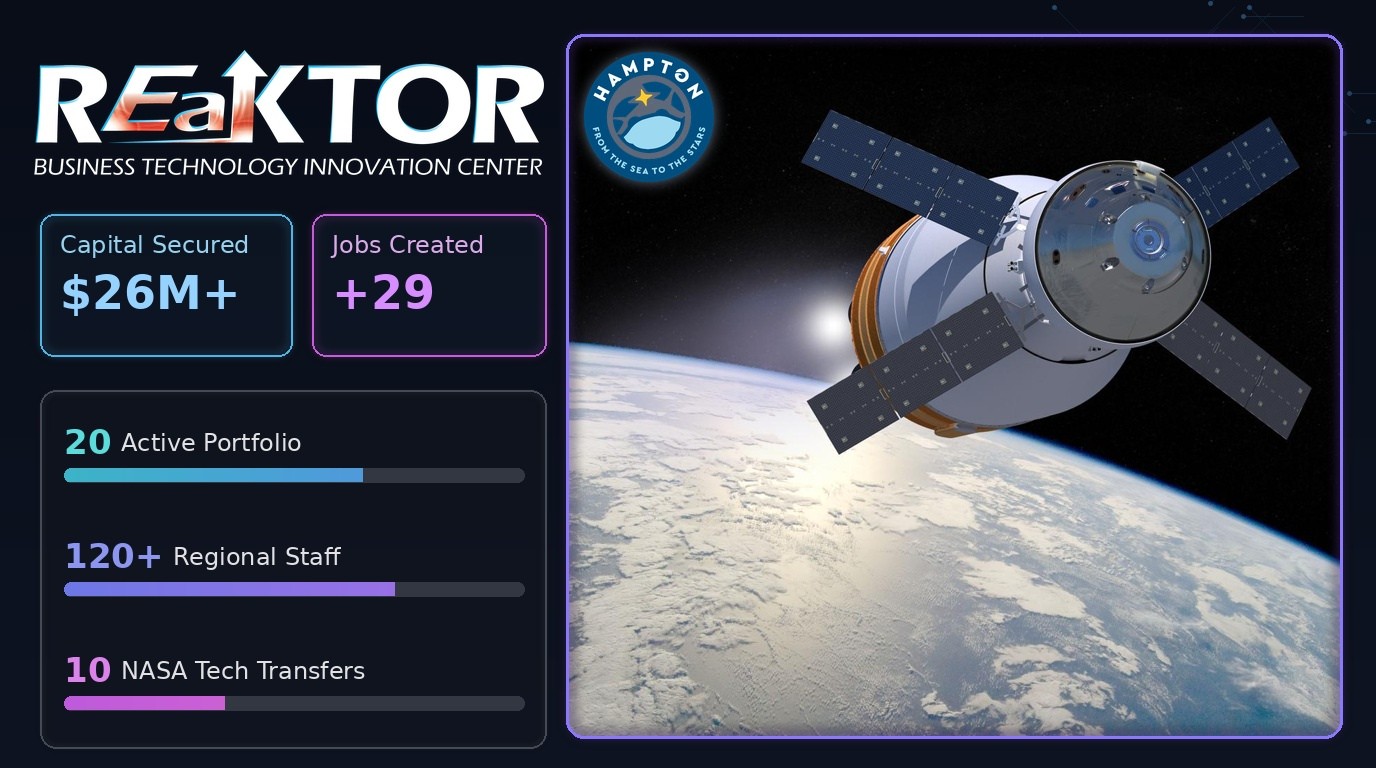
StewTech is still early and lean, currently working on filling its first orders. The SHOT Show proved there is demand. Then they needed to find the right environment to keep building. That path led him to REaKTOR, where the early validation could turn into a more capable operation.